June 8, 2026
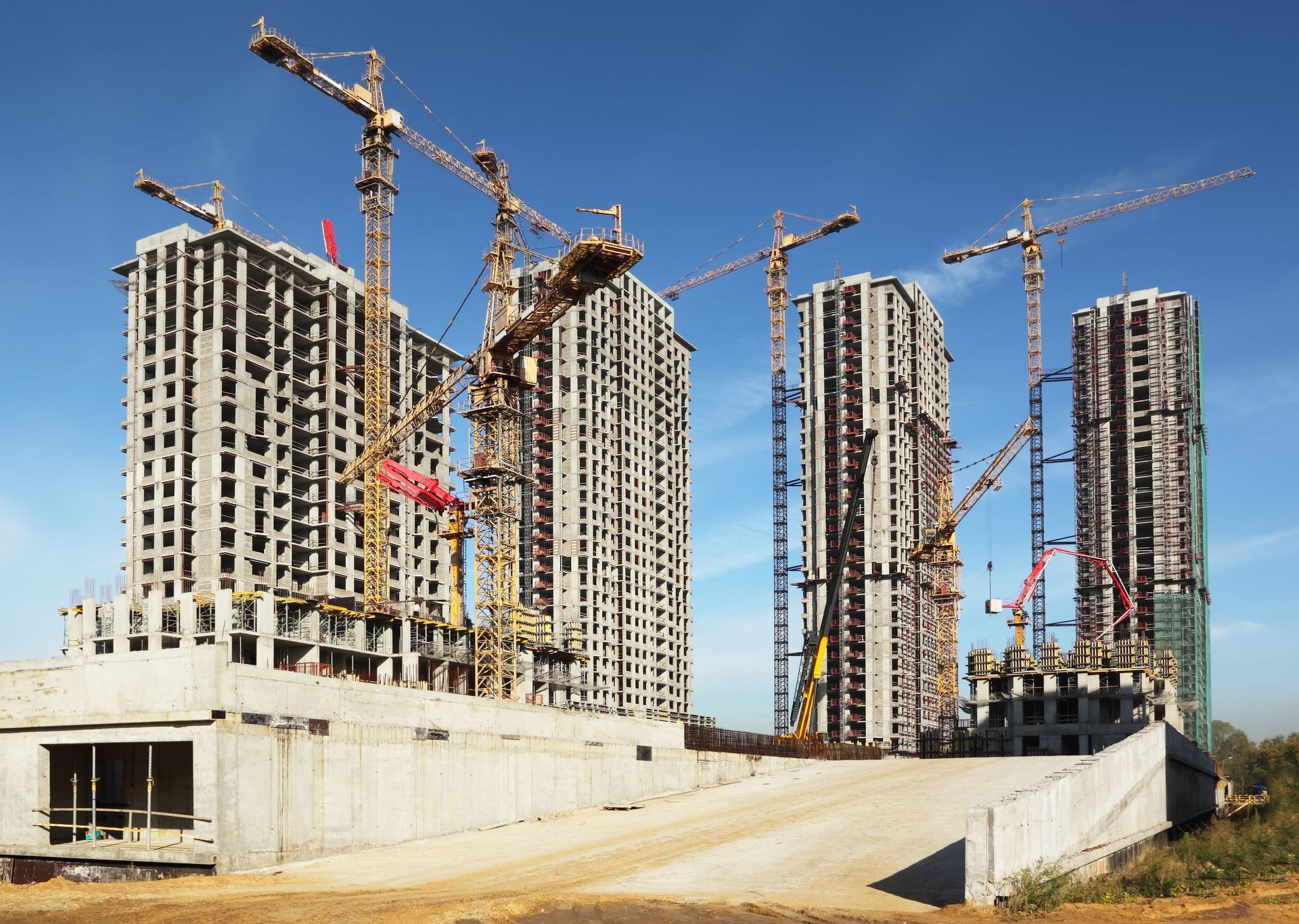
Concrete is one of the most important materials used across commercial properties because it supports daily traffic, equipment, drainage, storage, parking, and access. When installed correctly, it helps create safer surfaces, stronger structures, and more efficient spaces for employees, customers, tenants, and visitors. However, commercial concrete work is rarely simple.
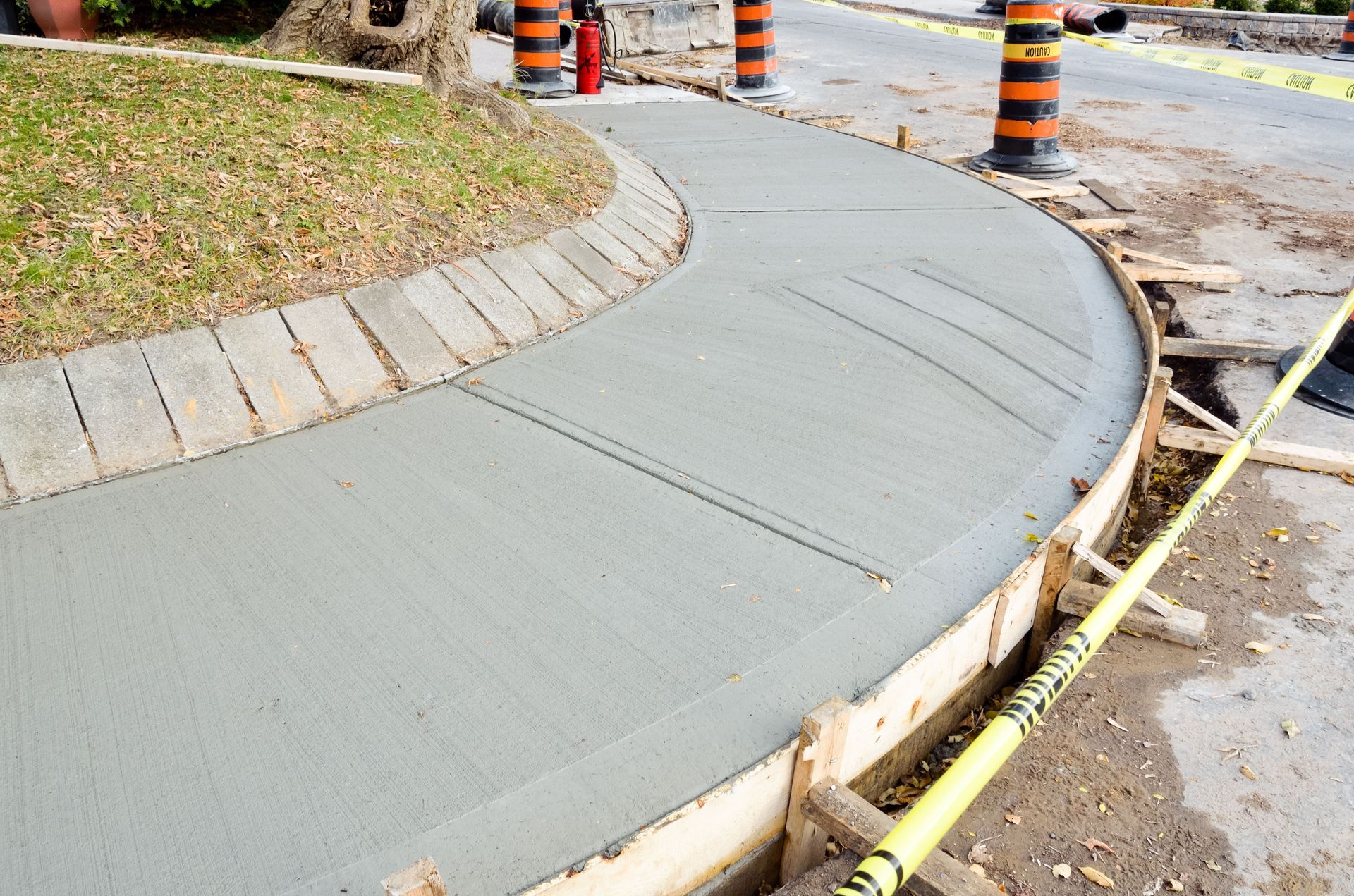
That is why many property owners and managers rely on commercial concrete contractors for planning, installation, repair, and replacement. These professionals understand how to evaluate site conditions, select materials, prepare surfaces, and complete work that supports how a property is used. From parking lots and sidewalks to ramps, loading zones, slabs, and curbs, properly completed concrete work can improve safety, durability, and function across the entire site.
Improving Surface Safety
Safe walking and driving surfaces are essential for any commercial property. Uneven slabs, cracked walkways, broken curbs, potholes, and deteriorated ramps can create hazards for pedestrians, employees, delivery drivers, and customers. These problems may start small, but they can worsen quickly when exposed to traffic, moisture, heavy loads, and temperature changes.
Commercial concrete contractors help identify surface problems before they turn into larger concerns. They can recommend repairs, replacement, leveling, or resurfacing based on the condition of the concrete and the way the area is used. A walkway near a main entrance may need a smooth surface for foot traffic, while a loading zone may require thicker concrete designed to handle repeated vehicle weight.
Safety also depends on details like slope, drainage, transitions, and accessibility. Concrete installed with poor grading can collect water, freeze in cold weather, or create slippery areas. Properly planned work can direct water away from buildings, reduce standing water, and make entrances, parking areas, and pedestrian paths easier to navigate.
Supporting Long-Term Durability
Commercial properties put concrete through demanding conditions. Parking areas may handle constant vehicle traffic. Warehouses, service yards, and industrial sites may support forklifts, trucks, dumpsters, storage systems, and heavy equipment. Even sidewalks and entry areas are exposed to frequent use, weather, deicing materials, and moisture.
Commercial concrete contractors understand how durability is affected by base preparation, reinforcement, concrete mix, thickness, finishing methods, curing, and joint placement. A strong finished surface begins below the concrete itself. If the base is unstable, poorly compacted, or not designed for the intended use, cracking and settlement can occur sooner than expected.
Durable concrete also requires the right approach for the project type. A decorative walkway, a dumpster pad, a parking lot section, and a loading dock do not all need the same specifications. Matching the work to the property’s needs helps reduce premature damage and supports better long-term value. When commercial concrete work is completed with the right methods, it can stand up to daily use while reducing the need for frequent repairs.
Improving Property Function
Concrete does more than create a hard surface. It shapes how people and vehicles move through a property. Well-planned concrete areas can improve traffic flow, support safer deliveries, make entrances easier to access, and create more organized outdoor spaces.
Commercial concrete contractors can help property owners think through how a space needs to function. A business may need wider walkways near busy entrances, better curb placement for traffic control, or a stronger pad for equipment. A property with delivery traffic may need a loading area that can handle repeated weight without breaking down. An apartment complex may need sidewalks and ramps that improve access between buildings, parking areas, and shared amenities.
Function also includes maintenance. Concrete that is properly sloped, finished, and placed can be easier to clean, plow, stripe, and inspect. When concrete supports daily operations, it contributes to a smoother experience for site users.
Reducing Repair Costs Over Time
Small concrete problems can become expensive when they are ignored. Cracks can allow water to enter the surface and base layers. Settled areas can create drainage problems. Broken edges can continue to crumble under traffic. Once these issues spread, a property owner may need more extensive repairs than would have been required earlier.
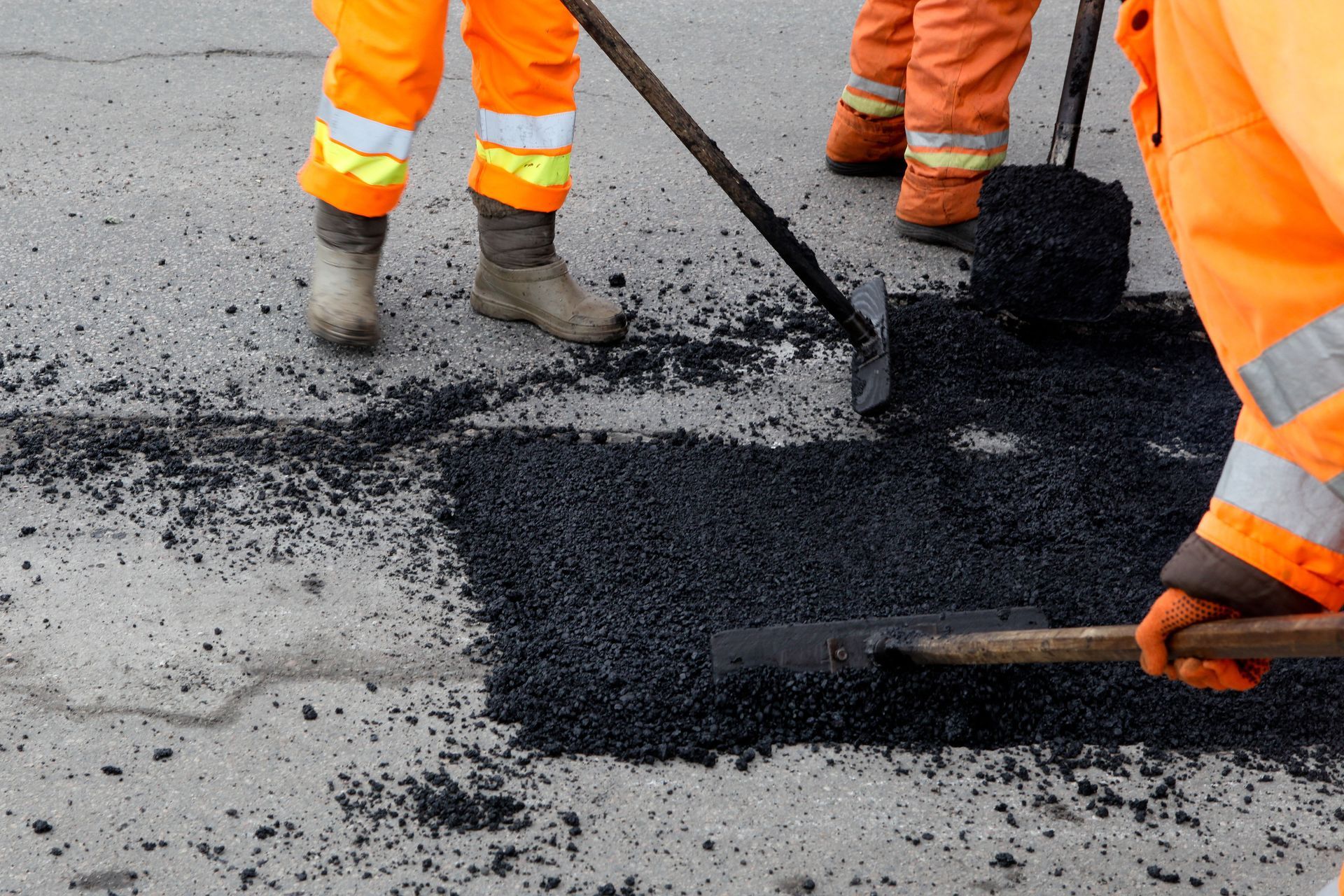
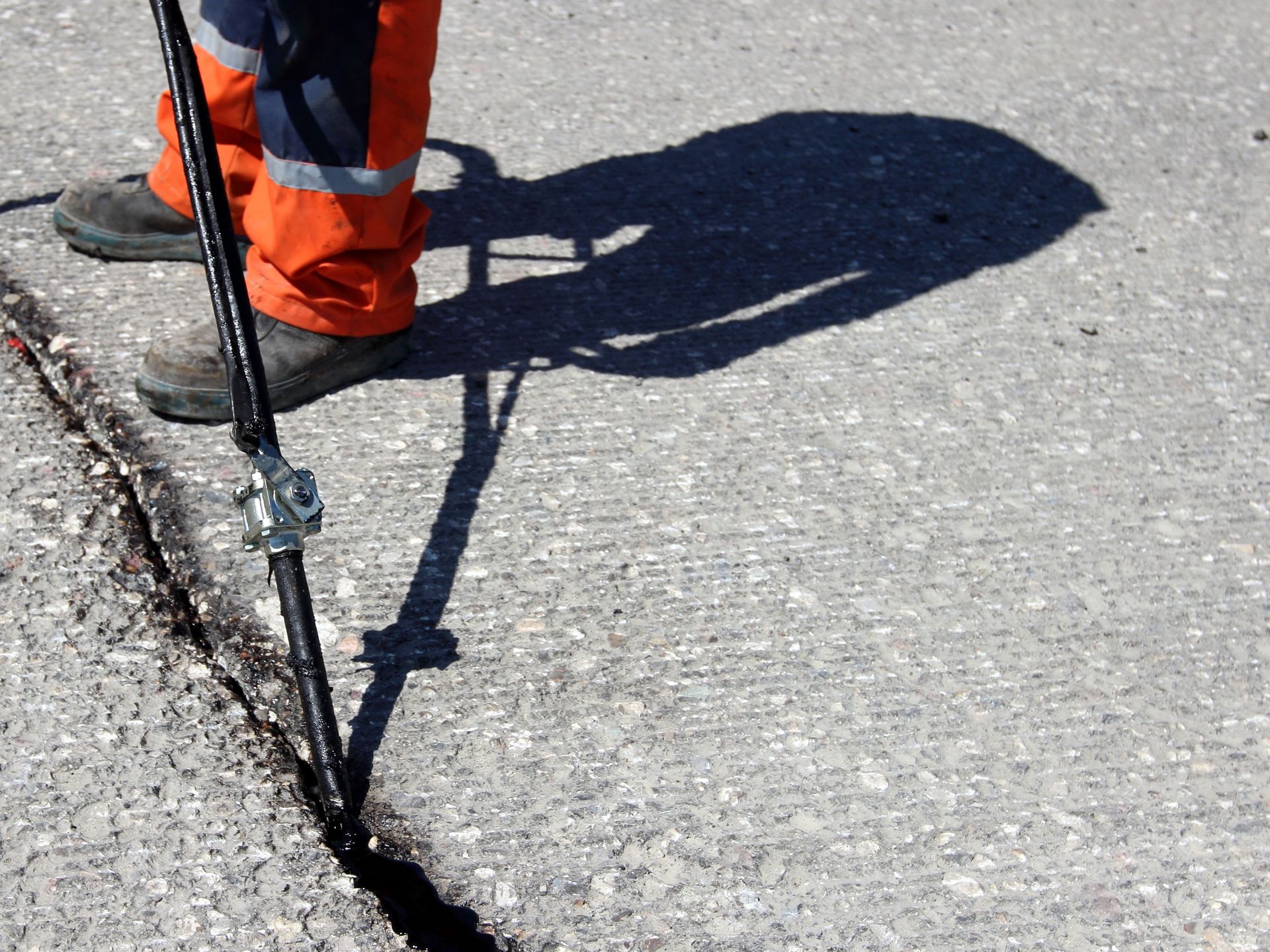
Commercial concrete contractors can help extend the life of existing surfaces by recommending timely repairs. In some cases, targeted patching, joint repair, resurfacing, or slab replacement may help prevent wider damage. In other situations, full replacement may be better because the underlying base or structural integrity has already failed.
The right recommendation depends on a careful review of the site. Not every crack means the concrete needs to be replaced, but not every damaged area can be fixed with a quick patch. Professional evaluation helps property owners avoid temporary solutions that fail quickly while also avoiding unnecessary replacement when repair is still practical.
Managing Parking Lot and Pavement Needs
Parking lots are often one of the first areas people notice when they arrive at a commercial property. They also take on constant wear from vehicles, turning movements, drainage patterns, weather, and maintenance equipment. Although asphalt is common in parking areas, concrete may be used for curbs, sidewalks, aprons, dumpster pads, entrances, ramps, drainage structures, and other high-use areas.
According to For Construction Pros, parking lot projects made up 62% of the total job mix for top pavement maintenance contractors in 2025. This highlights how important pavement-related work remains for commercial properties, especially when owners and managers want to maintain safe, functional, and presentable exterior spaces.
Commercial concrete contractors can support these efforts by addressing concrete elements that connect to larger pavement systems. Damaged curbs can affect drainage and traffic control. Broken walkways can make parking areas harder to navigate. Failing concrete pads can create problems for dumpsters, equipment, or loading areas. By maintaining these features, property owners can improve both appearance and performance.
Coordinating Projects With Less Disruption
Commercial concrete projects often need to be completed while businesses, tenants, customers, or staff continue using the property. A contractor may need to phase work, maintain access to entrances, coordinate with other trades, or complete certain steps outside peak business hours.
Commercial concrete contractors are familiar with active commercial sites. They can help determine where barriers, signage, temporary routes, or phased access may be needed. This can reduce confusion and help keep people away from work zones while the project is underway.
Good coordination helps protect the finished result. Concrete needs proper placement, finishing, curing, and protection from traffic before it is ready for regular use. Rushing those steps can affect strength and surface quality. A well-managed project balances business needs with the time required to complete the work correctly.
Strengthening the Value of the Property
Concrete contributes to the overall condition, appearance, and usefulness of a commercial property. Clean sidewalks, stable curbs, access points, and built pads can make a site look better maintained while improving how it performs. For property owners, these improvements can support tenant satisfaction, customer confidence, and long-term asset care.
Commercial concrete contractors help property owners make practical decisions about upgrades, repairs, and replacements. Instead of waiting for concrete problems to become obvious hazards, proactive work can help keep the property safer and more functional. This approach is valuable for sites with high traffic, frequent deliveries, aging pavement systems, or areas exposed to heavy loads.
Strong concrete work supports more than appearance. It helps protect people, vehicles, equipment, and buildings from avoidable problems caused by poor surfaces, drainage issues, and structural weakness. When commercial properties depend on reliable access and durable exterior areas, professional concrete work can make operations easier to manage. Call Advanced Asphalt Paving, Inc. today to schedule your concrete contracting service.