April 8, 2026
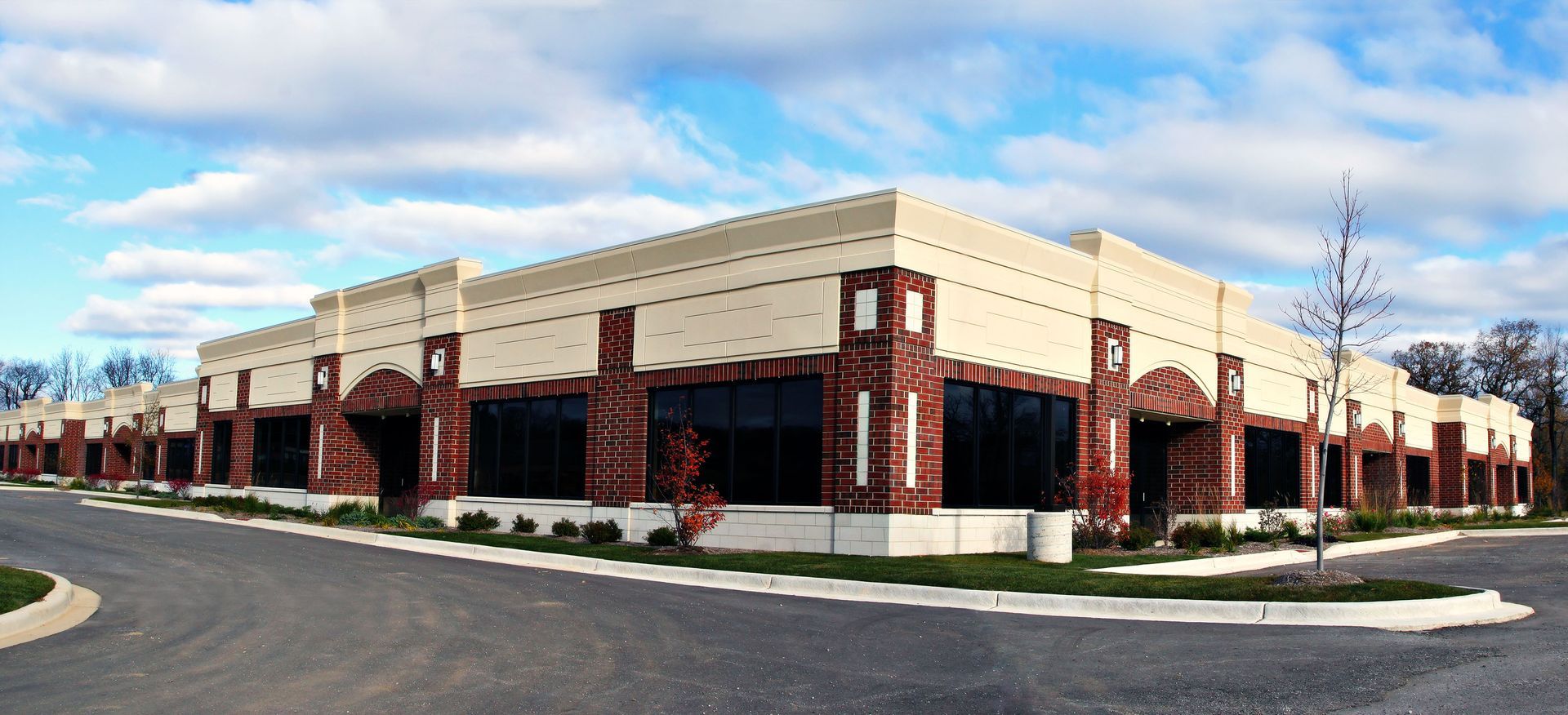
When a client or employee pulls into your business location, the parking lot is the very first interaction they have with your brand. While many property owners view commercial paving as a purely functional asset, it serves a much more critical role in the realm of risk management and professional image. In the bustling environments of Akron and Cleveland, where the weather can be unforgiving, maintaining a high-quality surface isn't just about aesthetics; it's a fundamental safety requirement.
A neglected lot with cracks, potholes, and faded markings is a literal breeding ground for accidents and legal headaches. By prioritizing professional upkeep, you're doing more than just beautifying your property; you're actively protecting your bottom line from the unpredictable costs of negligence.
1. Enhancing Surface Integrity to Prevent Pedestrian Falls
One of the most significant threats to any business owner is the risk of a slip-and-fall accident on their property. Pedestrians rarely look directly at their feet while walking; they're usually focused on their destination, their phones, or their shopping lists. When asphalt begins to fail, it creates uneven transitions and "trip hazards" that can catch even the most cautious visitor off guard.
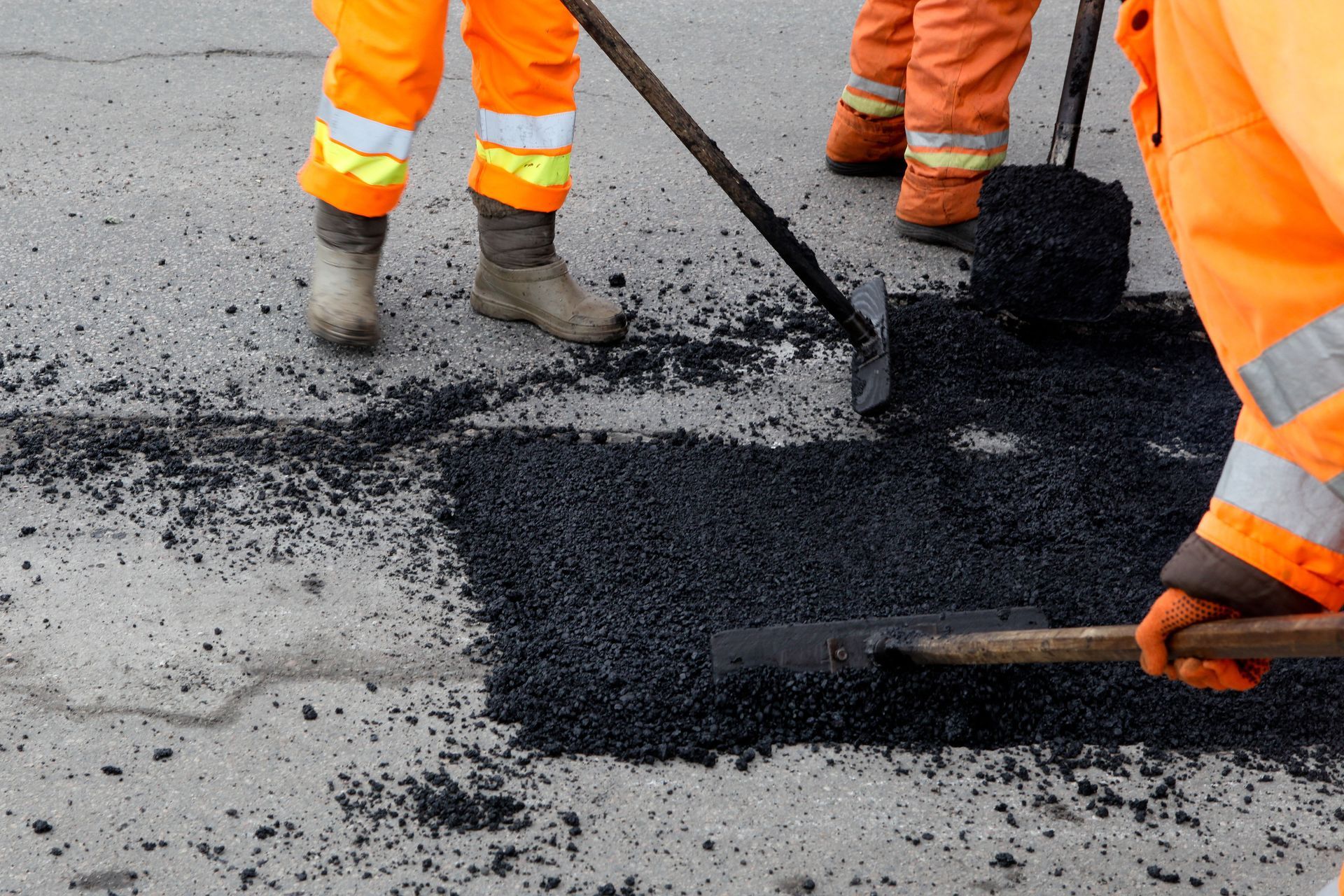
By investing in professional commercial paving services, you ensure that the walking surface remains flush and predictable. Regular patching and resurfacing eliminate the jagged edges of potholes and the dangerous depressions caused by settling. This proactive approach significantly lowers the likelihood of a personal injury claim, which can often be far more expensive than the cost of a paving project. Keeping the ground level is your first line of defense in maintaining a safe, accessible environment for people of all ages and mobility levels.
2. Optimizing Drainage Patterns to Eliminate Standing Water
Water is the natural enemy of asphalt, but it's also a major safety hazard when it has nowhere to go. Poorly graded surfaces allow water to pool in low spots, creating large puddles that hide deeper structural issues or disguise the depth of a pothole. In our region, this becomes even more dangerous during the winter months when standing water turns into "black ice."
When a lot is professionally paved and graded, water is strategically directed toward catch basins and away from high-traffic pedestrian zones. This effective drainage prevents the hydroplaning of vehicles and reduces the slick spots that cause pedestrians to lose their footing. Furthermore, moisture that sits on the surface eventually seeps into the subbase, leading to internal rot that compromises the entire structure. Proper grading ensures that your lot stays dry and stable, effectively neutralizing one of the most common causes of premises liability.
3. Clarifying Traffic Markings to Direct Vehicle Flow
A parking lot without clear, vibrant lines is a recipe for vehicular chaos. Without defined stalls, directional arrows, and pedestrian crosswalks, drivers are left to guess where they should go, leading to fender benders and confusion. High-quality commercial paving is incomplete without professional line striping that utilizes durable, high-visibility paint. Clear markings do more than just organize traffic; they establish legal boundaries and right-of-way protocols on your property.
When a driver ignores a clearly marked stop bar or parks in a designated fire lane, the liability shifts away from the property owner because the rules of the road were explicitly displayed. Fresh striping also ensures that you remain in compliance with the Americans with Disabilities Act by clearly identifying accessible parking spaces and routes. By providing a visual map for drivers and walkers alike, you create an orderly environment that minimizes the "human error" factor in accidents.
4. Protecting Structural Longevity to Reduce Long-Term Hazards
Safety is a long-term commitment, and the durability of your pavement plays a massive role in how safely your property ages over several decades. It's a common misconception that asphalt is a short-lived material that needs to be torn out every few years. However, when the foundation is laid correctly and maintenance is handled by experts, the results are remarkably different. According to Wealth Management, with routine upkeep, a commercial parking lot can last for 30 to 40 years before it necessitates significant overhaul or major rehabilitation.
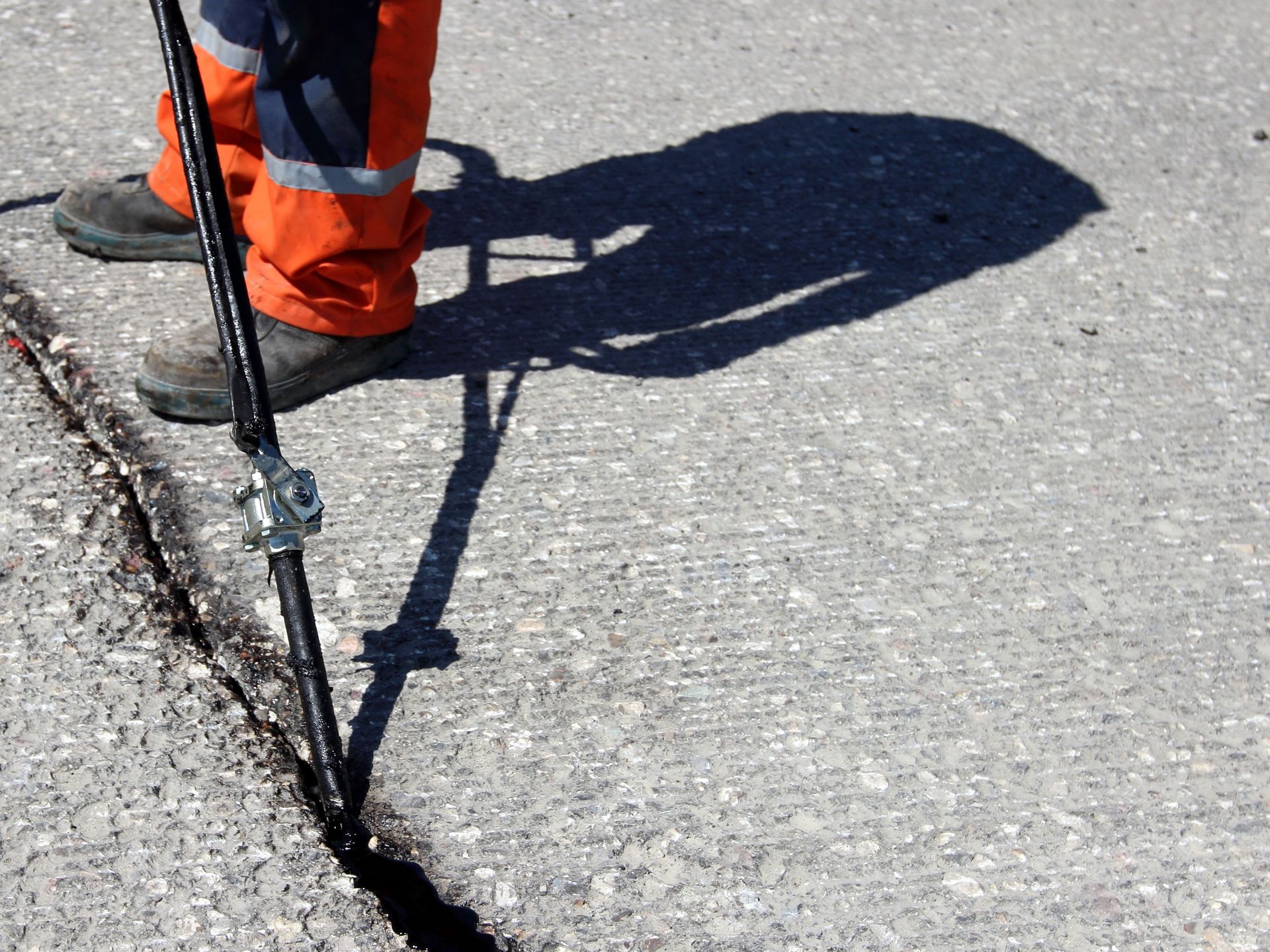
This extended lifespan is only possible when you address minor cracks and surface wear before they evolve into massive craters. By keeping the pavement in a state of constant repair, you prevent the "sudden" appearance of hazards that often lead to emergency repairs and high-risk environments. A stable, long-lasting surface means you won't have to worry about crumbling edges or structural collapses that could damage vehicles or cause injury to passersby.
5. Improving Nighttime Visibility to Increase User Security
A dark or dull pavement surface can be a major security risk, especially during the early sunset hours of an Ohio winter. Old, oxidized asphalt turns a light gray color that absorbs light poorly and makes it difficult for drivers to see pedestrians or obstacles. When you invest in sealcoating as part of your commercial paving strategy, you restore that deep, jet-black finish that provides a high-contrast background for painted lines and reflective markers. This visual contrast is essential for safety after dark, as it allows headlights to illuminate the path forward more effectively.
A well-maintained lot also signals to the public that the property is actively managed and monitored, which can act as a deterrent for criminal activity. When people feel safe because they can see where they're going and where potential hazards lie, they're much more likely to frequent your business. Security and safety are two sides of the same coin, and both are enhanced by a clean, dark, and well-marked surface.
6. Maintaining Curbing Systems to Protect Structural Boundaries
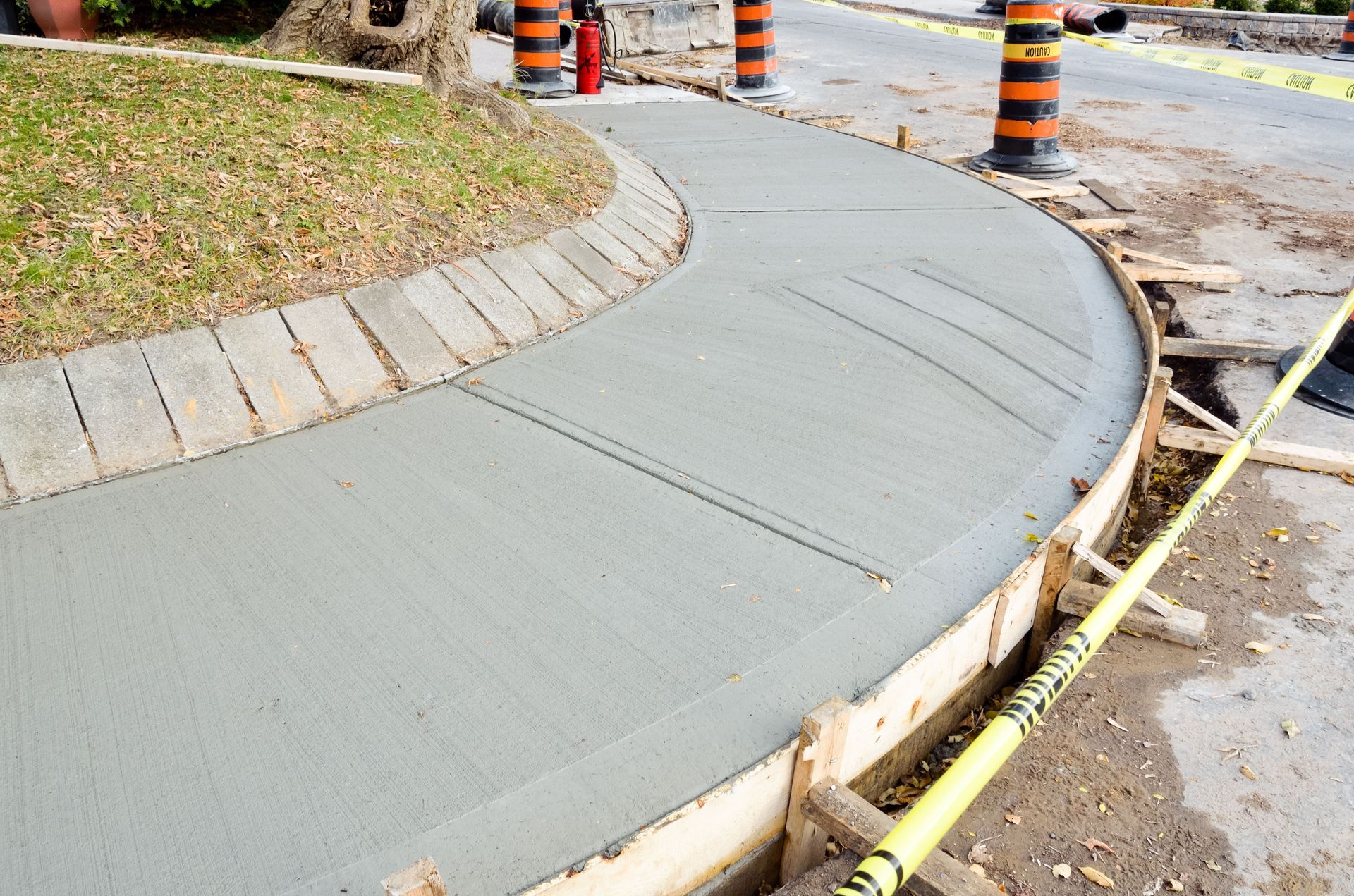
Concrete curbs and sidewalks are the literal borders of your paving system, and their condition is just as important as the asphalt itself. When curbs become cracked or dislodged, they no longer serve as an effective barrier between vehicles and pedestrians or landscaping. Broken concrete can create sharp edges and loose debris that are easily tripped over or kicked into the path of a moving car. Comprehensive commercial paving projects often include the repair or replacement of these concrete elements to ensure a seamless transition between different areas of the property.
Strong curbing helps to contain the asphalt, preventing the edges from "raveling" or breaking away under the weight of heavy trucks. By maintaining these boundaries, you prevent vehicles from encroaching on pedestrian-only zones and ensure that the entire site layout functions as intended. A cohesive, damage-free perimeter is essential for keeping traffic where it belongs and protecting your visitors from unexpected obstacles.
Managing a commercial property involves a constant balancing act between operational costs and safety requirements. However, neglecting your pavement is a gamble that rarely pays off, as the legal and financial repercussions of a single accident can dwarf the cost of a decade of maintenance. From preventing simple trips to ensuring complex drainage patterns work in your favor, professional commercial paving services provide a foundation of safety that supports every other aspect of your business.
By taking a proactive stance on surface integrity, traffic organization, and structural longevity, you aren't just maintaining a parking lot; you're investing in a liability-shielding asset. A smooth, well-marked, and durable surface sends a message of professionalism and care to everyone who enters your property. For professional asphalt and concrete solutions that prioritize the safety of your property, contact Advanced Asphalt Paving, Inc for a free quote today.