November 5, 2026
Strategic real estate development requires capital investments that withstand decades of operational demands while preserving baseline structural integrity. Property investors continually evaluate construction materials to balance initial site expenditures against ongoing facility maintenance overhead. Poured commercial surfaces serve as the literal foundation for modern corporate parks, logistics facilities, retail complexes, and industrial distribution centers. Beyond providing exceptional compressive load performance, engineered slabs resist severe chemical spills, environmental wear, and unrelenting vehicle traffic. Partnering with seasoned industry specialists ensures each installation achieves optimal structural stability. Committing capital toward robust civil infrastructure protects property valuations, ensuring ongoing financial appreciation across fluctuating commercial real estate markets.
Securing Structural Foundations With Engineered Mixes
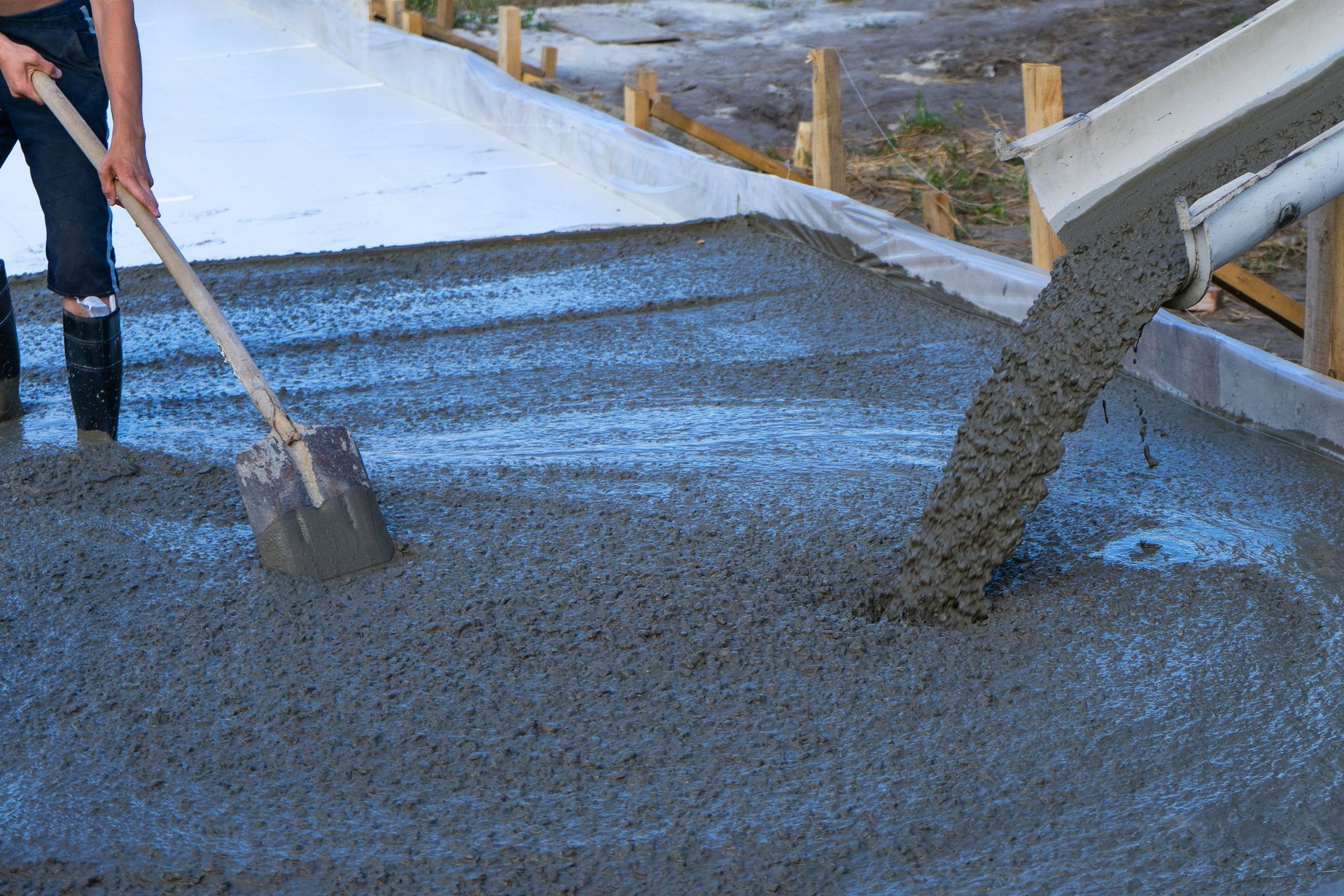
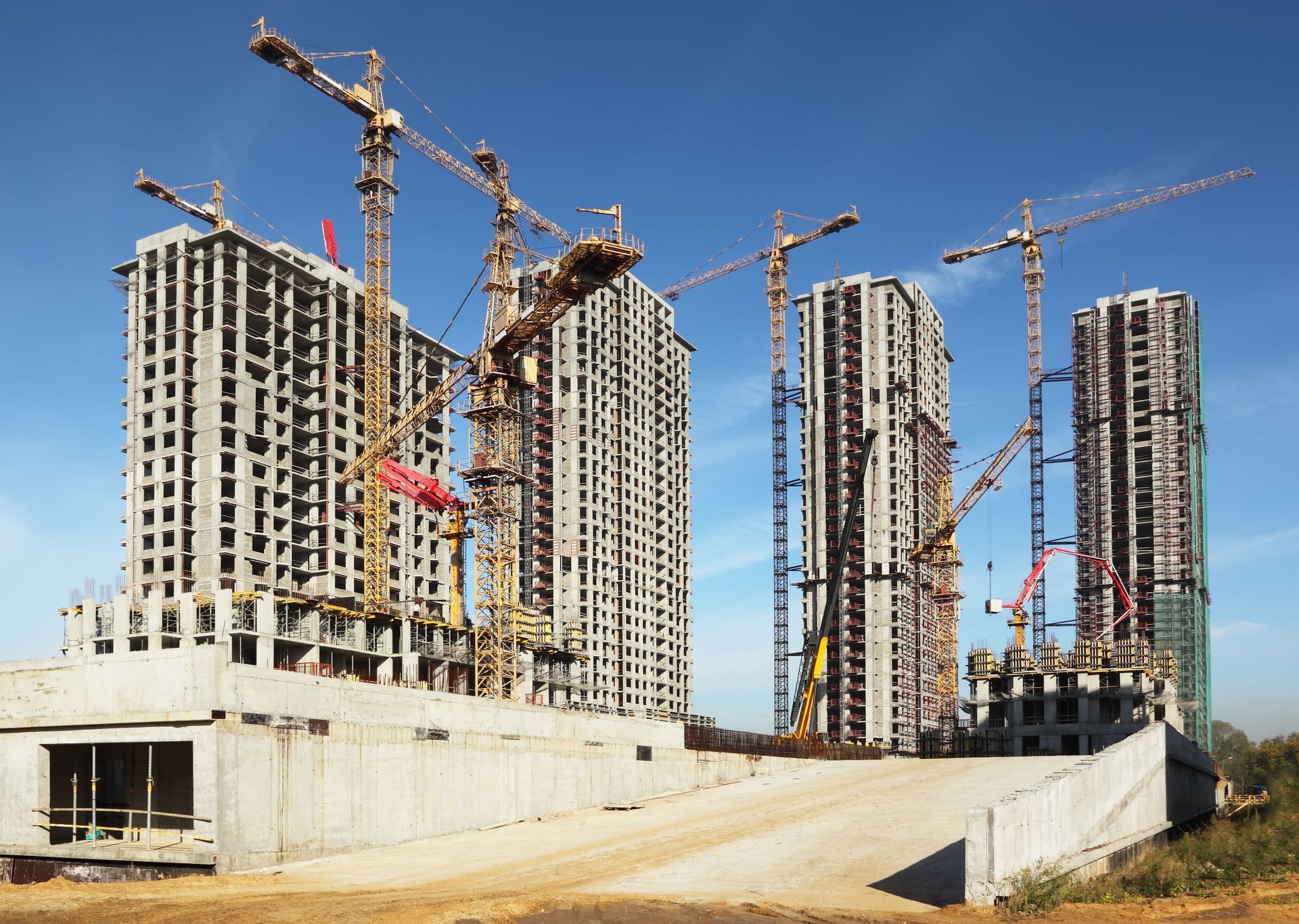
Commercial buildings depend heavily on foundational slabs that handle substantial equipment loads without suffering uneven subterranean settling. Structural engineers calculate complex load vectors to design durable footings capable of carrying massive multi-story steel framing frameworks. Skilled commercial concrete contractors place high-strength mixtures reinforced with deformed steel rebar grids to disperse gravitational forces evenly across prepared native subgrades. These dense configurations prevent structural wall cracking, floor shifting, and expensive plumbing ruptures beneath large industrial complexes. Choosing high-performance formulations minimizes future repair requirements, giving facility owners peace of mind that their core buildings remain fully stable across decades of continuous commercial operations.
Understanding Material Formulations for Maximum Longevity
The physical longevity of any poured pad traces back directly to the precise scientific proportions of its primary elements. According to Home Grail, aggregate makes up 60% to 75% of a concrete mixture, while cement and water account for 15% and air represents 5% to 8%. Balancing these exact component ratios controls hydration kinetics, mitigating early micro-shrinkage fractures while maximizing hardened density. Experienced commercial concrete contractors analyze local quarry materials to match specific compressive requirements for high-traffic freight bays and warehouses. Tailored aggregate grading produces dense surfaces capable of withstanding heavy daily use without experiencing internal aggregate disintegration or spalling under pressure.
Resisting Extreme Environmental Wear Through Modern Curing
Exterior installations face relentless environmental stresses, including intense ultraviolet solar radiation, deep subzero freezing periods, and torrential rainstorms. Unprotected surfaces frequently suffer surface scaling when trapped water expands during seasonal freeze-thaw sequences, causing early material breakdown. Applying advanced chemical sealing agents and moisture-retaining curing blankets during the initial setting process seals microscopic pores across the top plane. This meticulous installation approach prevents moisture intrusion and protects internal steel reinforcement from rust-induced expansion. Creating a tough, impervious barrier shields parking aprons and truck routes from rapid climate-related deterioration, significantly reducing recurring property restoration budgets over time.
Accommodating Heavy Industrial Machinery and Freight Traffic
Modern fulfillment hubs and logistics centers experience non-stop vehicular stress from loaded semi-trailers, container handlers, and heavy forklifts. Lightweight asphalt paving ruts, ravels rapidly, and develops severe depressions when subjected to static wheel loads at loading docks. In contrast, rigid cement surfaces distribute point loads over broad areas, preventing localized surface failure during trailer loading procedures. Partnering with qualified commercial concrete contractors ensures proper joint spacing and dowel bar alignment to facilitate seamless transit between separate slab sections. These durable pavement systems resist abrasive tire friction, allowing facilities to maintain uninterrupted freight processing schedules without facing abrupt operational shutdowns.
Minimizing Ongoing Maintenance Overhead for Commercial Owners
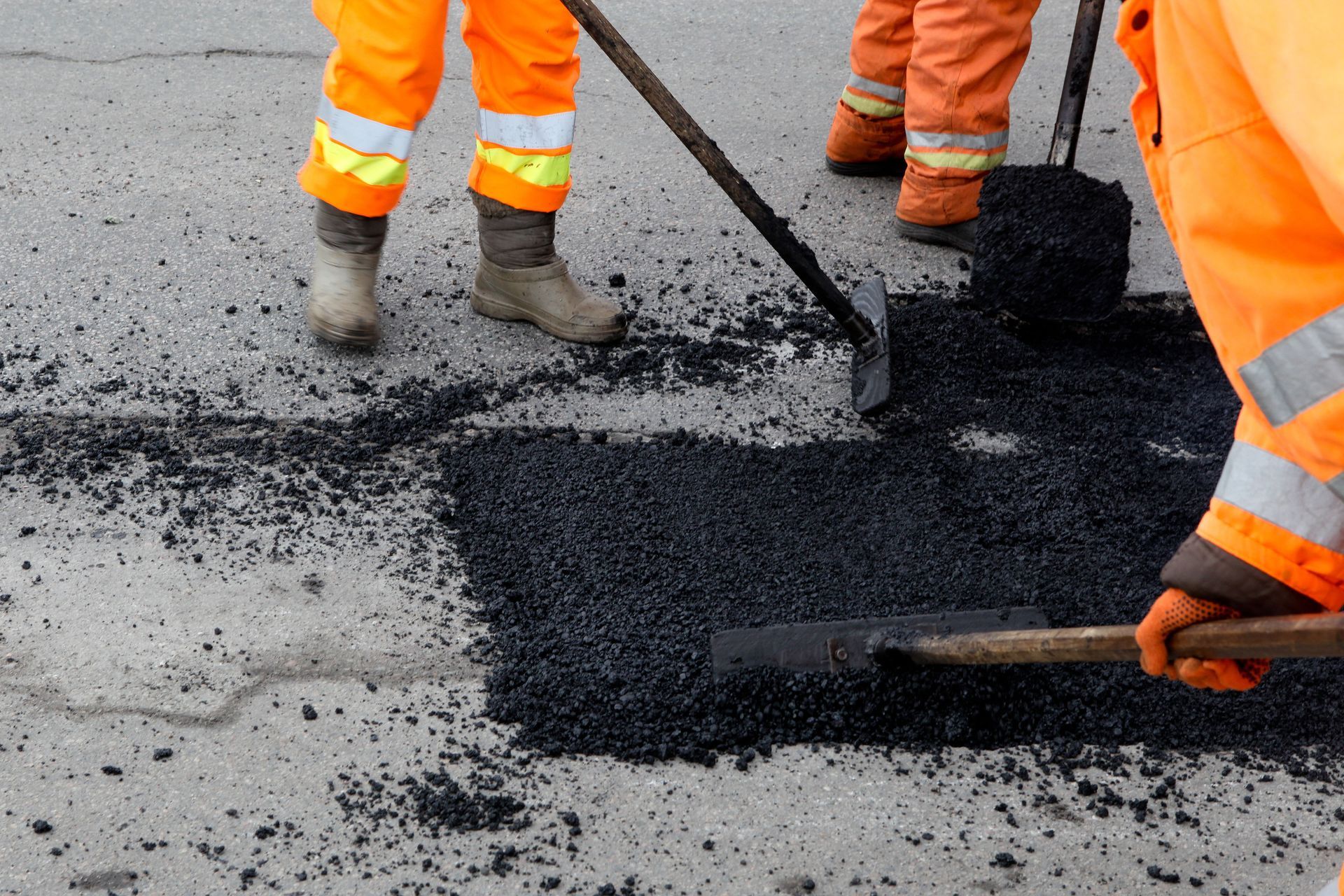
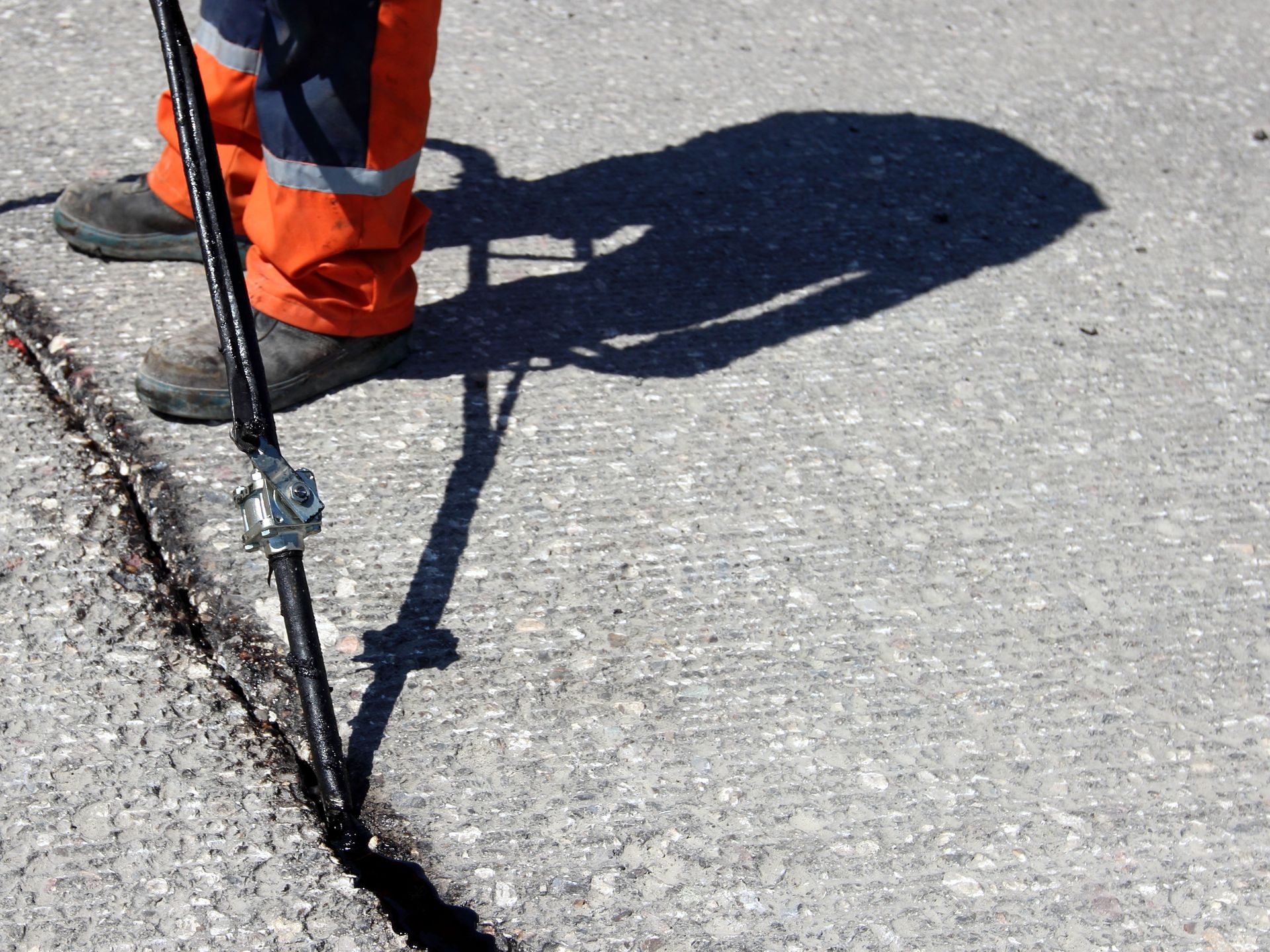
Recurring repair bills can rapidly erode profitability from rental properties, office buildings, and retail shopping centers. Inferior paving options demand frequent sealcoating, pothole filling, and periodic surface milling simply to remain usable for daily visitors. Poured rigid surfaces eliminate the constant need for maintenance, requiring only periodic pressure washing and occasional joint resealing to preserve operational capabilities. Property managers redirect valuable operational budgets toward tenant improvements and technology upgrades rather than funding unending asphalt patching projects. This built-in financial efficiency improves net operating income across commercial portfolios, boosting balance sheets year after year.
Enhancing Site Safety and Mitigating Physical Liabilities
Uneven walkways, cracked entryways, and sunken outdoor plazas present serious tripping hazards that expose real estate companies to lawsuits. Diligent commercial concrete contractors build smooth transitions and ADA-compliant pedestrian ramps with tailored broom finishes to increase slip resistance in wet weather. Precision-cast surfaces prevent dangerous water accumulation near public doors, reducing ice formation during cold winter storms. Eliminating uneven elevation changes between separate walkways protects visitors from painful accidents while shielding corporate property holders from expensive premises liability claims. Maintaining pristine walking routes fosters a welcoming, safe public environment that reflects high corporate standards throughout every business square foot.
Improving Energy Efficiency Through Natural Thermal Reflectivity
Large commercial parking lots significantly impact surrounding ambient temperatures by either absorbing solar radiation or reflecting sunlight away. Traditional dark bituminous pavements absorb intense solar thermal energy, generating localized heat islands that drive up cooling costs for adjacent offices. Light-colored structural surfaces possess high solar reflectance index scores, bouncing radiant heat back into the atmosphere rather than storing it. Lower surrounding temperatures reduce cooling loads on rooftop HVAC compressors, cutting summer electric utility expenses for building tenants. Integrating reflective pavement designs lowers municipal utility bills while contributing to regional environmental initiatives aimed at minimizing urban heat retention.
Elevating Corporate Aesthetics and Attracting Desirable Tenants
The physical exterior of an office building or shopping center shapes initial impressions for prospective tenants and corporate guests. Stained, crumbling, or poorly drained driveways signal careless property management, discouraging high-paying commercial tenants from signing multi-year leases. Pristine pavements, crisp curbs, and decorative stamped plazas enhance prestige, dependability, and pride of ownership across the entire commercial parcel. Working with seasoned commercial concrete contractors allows owners to integrate modern architectural finishes, colored pigments, and clean geometric lines that enhance curb appeal. Creating an impressive outdoor atmosphere justifies premium rental rates, driving long-term investment success across competitive real estate markets.
Resisting Chemical Spills and Industrial Automotive Fluids
Automotive maintenance shops, bus terminals, and industrial factories constantly manage surface leaks involving diesel, motor oils, and hydraulic lubricants. Flexible asphalt pavements soften rapidly when exposed to hydrocarbons, dissolving binding agents and leaving sticky, crumbly potholes across active work zones. Chemically treated hard surfaces provide outstanding resistance against corrosive fluids, industrial solvents, and aggressive deicing chemicals spread during winter road clearing. Technicians apply specialized penetrating densifiers that harden the surface matrix, preventing harsh industrial contaminants from penetrating deeply into interior structural layers. This chemical barrier maintains clean, structurally intact operational floors within demanding corporate and industrial environments.
Accelerating Construction Timelines With Efficient Paving Methods
Prolonged construction schedules delay commercial leasing, leaving valuable square footage sitting vacant while carrying costs continue to mount. Using high-output laser screeds and slipform extrusion machines allows building crews to place vast square footage within tight deadlines. Reliable commercial concrete contractors leverage high-early-strength mixtures that achieve design load capacity within days rather than waiting standard weeks for full curing. Faster installation speeds up the construction process, enabling steel erectors, roofers, and mechanical trades to commence overhead work earlier. Shortening construction timelines saves financing interest, allowing owners to welcome revenue-generating tenants into functional facilities ahead of original project milestones.
Boosting Resale Values Through Verifiable Structural Quality
When real estate investment trusts evaluate prospective acquisitions, structural condition assessments heavily influence their final purchase price. Properties featuring well-maintained civil infrastructure pass commercial engineering inspections easily, preventing stressful last-minute price reductions during due diligence periods. Appraisers assign higher valuation multiples to buildings supported by durable flatwork because future owners inherit minimal capital expenditure liabilities for immediate repaving. Providing verified structural records that document proper compressive test breaks confirms that previous managers invested in superior site materials. This structural credibility justifies aggressive market pricing, rewarding original investors with strong returns during eventual property sales transactions.
Prudent real estate investment demands selecting high-performance building assemblies that provide decades of uninterrupted service while maintaining property value. Choosing advanced poured infrastructure protects real estate investments against severe seasonal shifts, heavy vehicle loads, and damaging chemical spills. The impressive structural longevity, reduced maintenance needs, and elevated tenant appeal deliver measurable financial returns that easily outweigh initial installation expenses. By collaborating with skilled trade specialists, property developers build durable corporate assets that retain structural integrity through decades of intensive use. Prioritizing quality structural flatwork lays the permanent groundwork for steady asset appreciation, sustained corporate income, and lasting real estate investment success.
Are you seeking professional commercial concrete contractors in Akron and Cleveland, OH, and the surrounding areas? Advanced Asphalt Paving, Inc has you covered with all your paving needs! Contact us today to request a quote or to schedule your next service appointment.