July 7, 2026
Asphalt is a popular choice for driveways and parking lots due to its durability and cost-effectiveness. However, improper maintenance can lead to expensive repairs or premature replacement. Understanding the common mistakes in asphalt maintenance could help you avoid unnecessary expenses and extend the lifespan of your asphalt surfaces. Over time, weather, traffic, and neglect can all take their toll on asphalt, making proactive care indispensable. With proper attention and timely action, homeowners and property managers can preserve both the function and appearance of their asphalt investments.
1. Neglecting Regular Inspections
Value of Periodic Inspections
Neglecting regular inspections of asphalt surfaces is one of the primary mistakes leading to costly repairs. Asphalt, while durable, is not immune to the effects of time and environmental factors. Routine inspections are essential for identifying issues at their onset, enabling timely interventions that prevent minor problems from escalating. During these checks, professionals can assess the current condition and anticipate future asphalt maintenance needs. Proactive inspections are more cost-effective than reactive repairs, emphasizing their importance.
Detection of Early Wear Signs
Spotting early signs of wear and tear on asphalt can save thousands in repair costs over time. Common indicators include small surface cracks, minor depressions, and pooling water, which can signal underlying issues. Addressing these early on can prevent them from developing into major structural problems, like potholes or significant subsidence. Inspections should focus on both small, visible signs and more subtle indicators such as slight texture changes or discoloration. This attention to detail can significantly prolong the life of the pavement.
2. Ignoring Crack Repairs
Consequences of Delayed Repairs
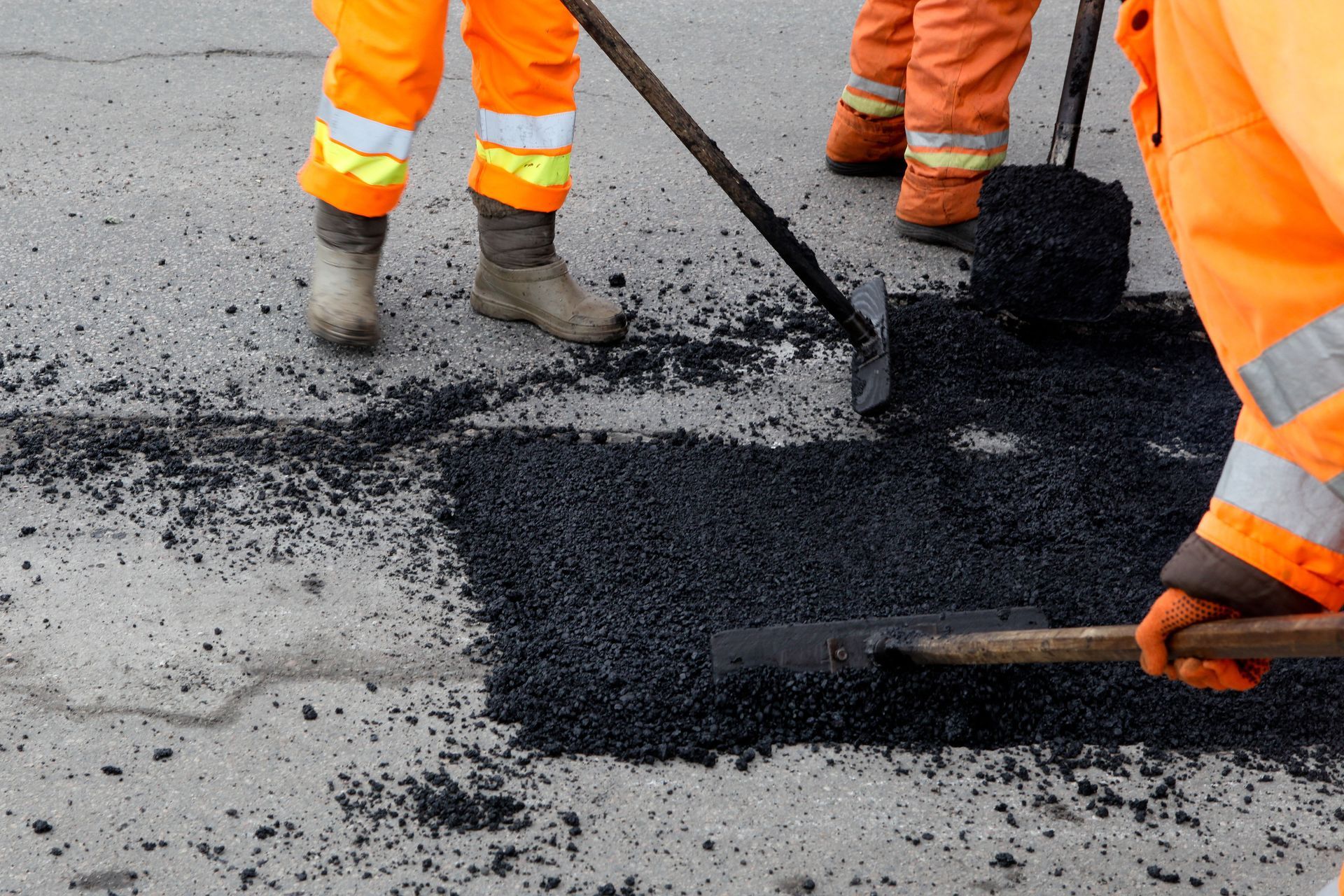
Delaying crack repairs on asphalt surfaces can lead to rapid deterioration and significantly increased repair costs. Small cracks allow water infiltration, which can undermine the substrate and lead to more severe damage like potholes. Ignored over time, these cracks can coalesce, causing widespread damage that necessitates costly resurfacing projects. Immediate repair of cracks can prevent this water infiltration and mitigate extensive damage. Thus, timely responses to cracks are crucial in maintaining pavement integrity and minimizing future expenses.
Varieties of Asphalt Cracks
There are various types of asphalt cracks, each requiring different approaches for repair. Alligator cracks are a pattern of interconnected lines resembling alligator skin, often indicative of structural failure. Edge cracks form along the outer edges of the pavement, usually from poor drainage or heavy traffic outside designated areas. Transverse cracks run perpendicular to the road's centerline, typically caused by thermal expansion and contraction. Understanding these types allows for more precise interventions that address root causes effectively.
Methods for Effective Repair
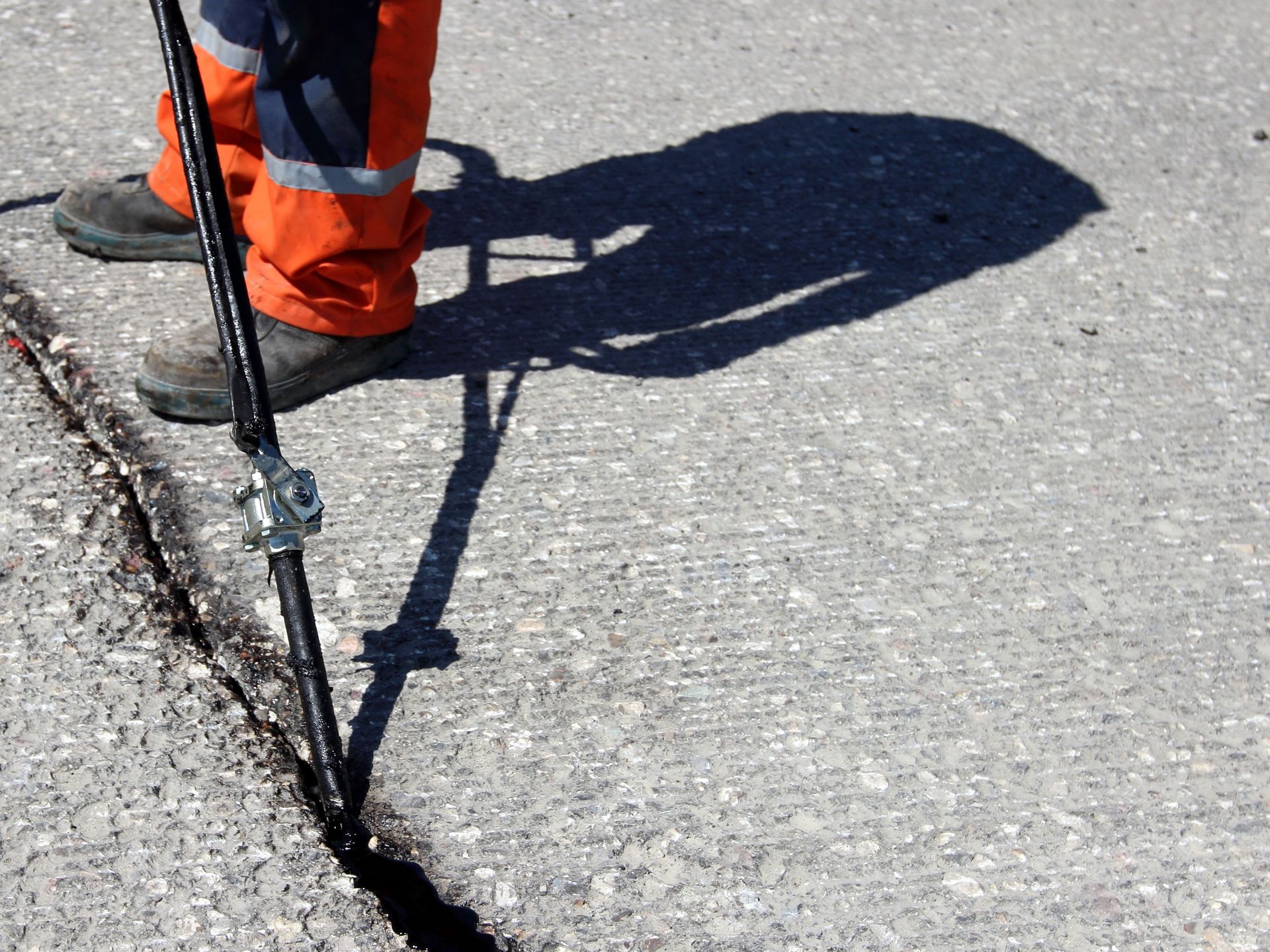
Addressing cracks promptly with effective repair techniques can save property owners thousands in potential resurfacing costs. Crack filling and crack sealing are two primary methods for handling such repairs. Crack filling is ideal for non-working cracks, while sealing provides flexibility for cracks that expand and contract with temperature fluctuations. Utilizing sealants like rubberized asphalt can provide a durable and flexible repair solution, enhancing longevity. According to HomeAdvisor, applying two coats of a sealant can extend the effective life of a paved surface by up to four years, underscoring the importance of proper crack management.
3. Skipping Sealcoating
Benefits of Scheduled Sealcoating
Sealcoating is a critical asphalt maintenance process that offers multiple protective and aesthetic benefits for asphalt surfaces. By providing a protective layer, sealcoating shields the asphalt from harmful UV rays, water, and chemical spills, retaining its integrity and appearance. Beyond protection, it enhances the visual appeal of the surface, giving it a fresh, dark appearance. The protective layer also contributes to extending the surface's lifespan by preventing deterioration from traffic and environmental exposure. As such, regularly scheduled sealcoating can lead to significant cost savings over the life of the pavement.
Frequency of Sealcoat Applications
The frequency of sealcoating is crucial to maximizing asphalt longevity while minimizing costs. Best practices suggest a sealcoating application every two to three years, depending on traffic and environmental exposure. Heavy usage or harsh climates might necessitate more frequent applications to maintain optimum surface protection. While more frequent applications incur higher upfront costs, they can prevent significantly higher repair costs in the long run. Property owners should tailor sealcoating schedules to specific conditions to achieve optimal results.
Selection of Sealcoat Products
Selecting the right sealcoat product is essential for achieving durable and effective results. Various sealcoat types exist, including coal tar, asphalt emulsion, and acrylics, each with unique properties and benefits. Coal tar offers excellent chemical resistance and durability, while asphalt emulsion provides a more environmentally friendly alternative. For those with specific aesthetic needs or environmental conditions, acrylic sealants might be preferable due to their versatility. Evaluating these options in light of usage, environmental impact, and cost ensures the best choice for any given situation.
4. Poor Drainage Management
Impact of Water Exposure
Poor drainage management can accelerate wear and tear on asphalt surfaces, significantly reducing their lifespan. Water is one of the most damaging elements for asphalt, as it can infiltrate cracks and weaken the foundational layers. With improper drainage, pooled water increases pressure and can lead to surface degradation, resulting in cracks or potholes. It's essential to ensure that drainage systems are effective to direct water away swiftly and efficiently. Regular assessments of drainage performance are key to maintaining long-term pavement health.
Designs for Proper Drainage
When installing asphalt surfaces, integrating proper drainage solutions is fundamental to their longevity. A well-designed drainage system ensures that water does not accumulate on the surface, thus preventing damage. Considerations include grading the surface to promote runoff and installing drainage channels to efficiently manage water flow. Proper planning and execution during initial construction can save significant asphalt maintenance costs over time. Ultimately, thoughtful design choices during the installation phase are vital in preventing future drainage-related problems.
Indicators of Drainage Failures
Recognizing signs of drainage issues can help address potential threats to asphalt surfaces early. Common indicators, such as water pooling, erosion near edges, or visible channels in the surface, often point to underlying drainage failures. These signals require immediate attention to prevent them from undermining pavement integrity. Routine inspections should include drainage assessments to identify issues promptly. By understanding and recognizing these warning signs, property owners can take action to preserve surface conditions effectively.
5. Using Incorrect Cleaning Techniques
Methods for Proper Cleaning
Proper cleaning techniques are crucial in maintaining the appearance and longevity of asphalt surfaces. Using harsh chemicals or incorrect methods can strip protective layers and weaken the asphalt's integrity. Instead, mild detergents and low-pressure washing systems are recommended to keep surfaces clean without inflicting damage. Regularly removing debris and contaminants helps maintain the surface and prolongs the effectiveness of sealcoating treatments. Employing gentle yet effective cleaning strategies is a vital component of overall asphalt care.
Risks of Harsh Chemicals
Harsh chemicals can cause significant, often irreversible, damage to asphalt surfaces. These substances can dissolve the binder, leaving the aggregate exposed and vulnerable to additional wear. Sealcoating, which provides critical UV and chemical protection, can be especially susceptible to such damage. To safeguard asphalt surfaces, it is best to use cleaning agents specifically formulated for asphalt maintenance. This careful selection helps maintain surface integrity and appearance while minimizing potential for long-term damage.
Proper asphalt maintenance is essential to avoid expensive repairs and prolong the life of the surface. By understanding and avoiding these common maintenance mistakes, property owners can ensure that their investment remains durable and visually appealing for years to come. Regular inspections, timely repairs, and choosing the right materials and techniques all play a crucial role in effective asphalt maintenance. Over time, these strategies lead to significant cost savings and an extended pavement lifespan. With proactive care, property owners can enjoy the benefits of their asphalt surfaces for many years.
Avoid expensive repairs by scheduling your professional asphalt maintenance with Advanced Asphalt Paving, Inc before minor cracks turn into costly hazards.